

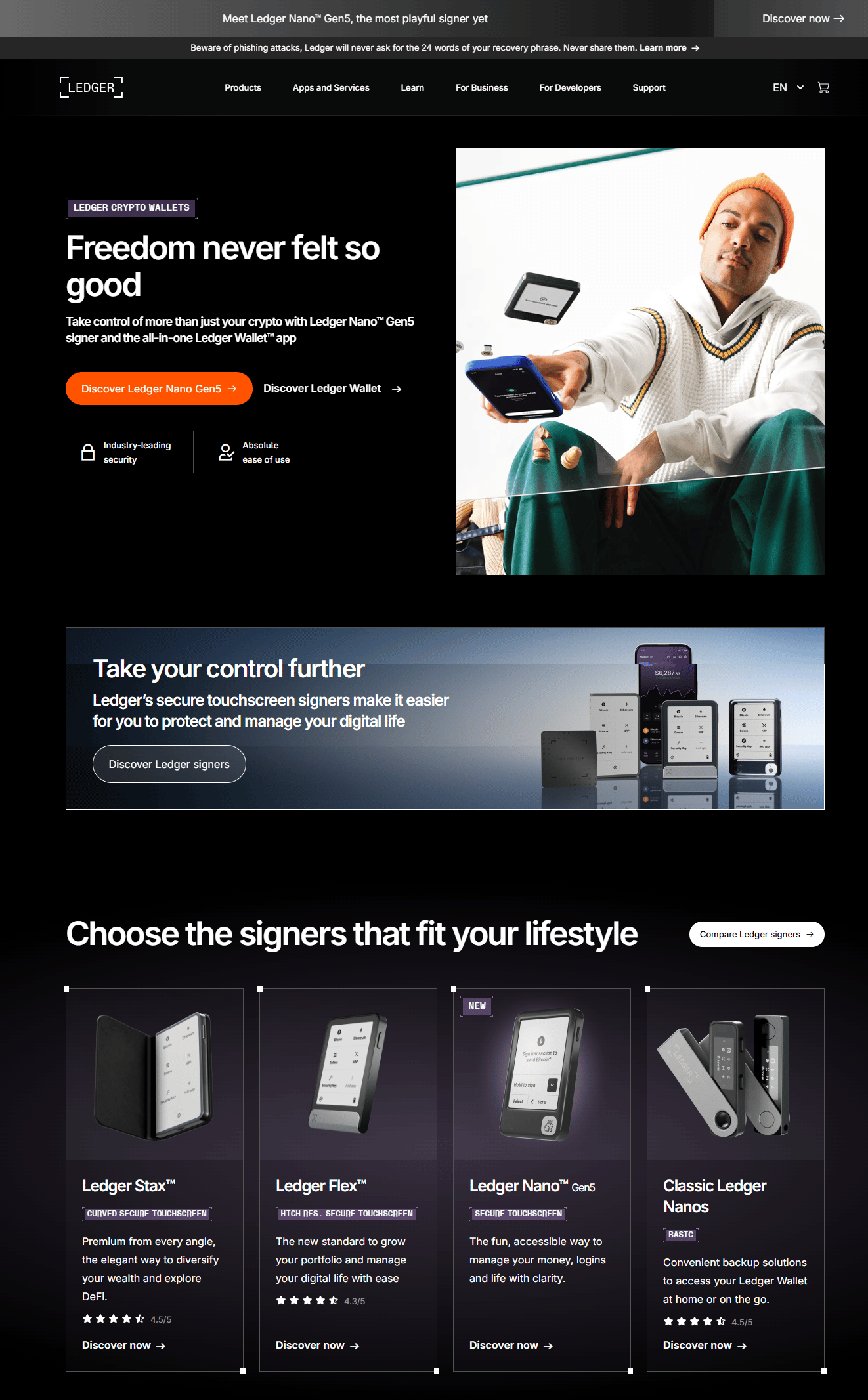
Ledger Live Desktop: A Complete Guide to Desktop Wallet Management
Managing cryptocurrency from a desktop computer can make it easier to review account information, organize supported assets, and understand transaction activity. Ledger Live Desktop is the desktop application associated with compatible Ledger hardware wallets. It provides an interface for managing supported accounts while allowing users to review and approve transactions using their physical device. For anyone preparing to use Ledger Live Desktop, understanding installation, device compatibility, account management, and security practices is an important first step.What Is Ledger Live Desktop?
Ledger Live Desktop is designed to help users interact with supported Ledger hardware wallets through a computer. Depending on the device and software configuration, users can access account information, review supported assets, and manage various wallet activities. The desktop interface brings important account information together in one place. However, the physical hardware wallet remains an essential part of transaction authorization. Users should always check the compatibility information for their particular Ledger model before installing the application.Prepare Your Computer
Before installing Ledger Live Desktop, make sure your computer meets the application’s current system requirements. A few preparation steps can make installation easier:- Update your computer’s operating system.
- Use a trusted personal computer.
- Check that your internet connection is stable.
- Keep your hardware wallet and required cable nearby.
- Close unnecessary applications during setup.
Download Ledger Live Desktop Safely
The safest approach is to obtain Ledger Live Desktop through the genuine Ledger website. Enter the website address directly into your browser and check the spelling before downloading anything. Avoid third-party download websites, unfamiliar software packages, and links received through unexpected messages. Fake applications can imitate legitimate wallet software and expose users to security risks. After downloading the compatible installer, follow the instructions for your operating system. Open the application and review its initial guidance.Connect Your Ledger Hardware Wallet
Once Ledger Live Desktop is installed, connect your compatible physical device according to the instructions provided for your model. The application may guide you through device recognition and other setup checks. Read the prompts carefully and pay attention to messages displayed directly on the hardware wallet. If the device is new, initialize it yourself by following its on-device instructions. Create your own security configuration rather than accepting a PIN or recovery phrase supplied by another person. If a supposedly new device arrives already configured, stop and contact genuine Ledger support.Explore the Desktop Dashboard
After completing the appropriate setup, become familiar with the main application interface. Depending on supported features and configuration, you may be able to explore:- Portfolio information: Review the value and distribution of supported assets.
- Account management: View and organize compatible cryptocurrency accounts.
- Transaction history: Inspect available records of previous activity.
- Asset information: Explore supported cryptocurrencies and account details.
- Application settings: Review available preferences and software information.